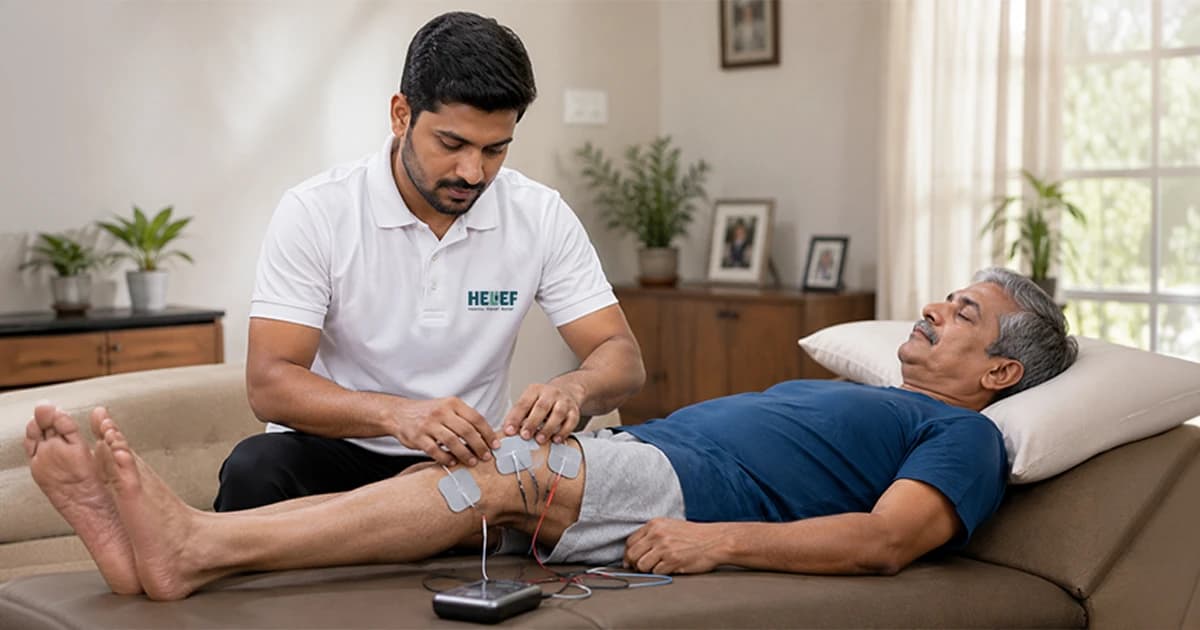
When a family is caring for someone with dementia, the conversation is almost always about memory — the repeated questions, the forgotten names, the confusion. What gets far less attention, until it causes a crisis, is the body. As dementia advances, walking slows and grows unsteady, balance fades, muscles weaken, and the risk of a serious fall climbs sharply.
That physical decline is where physiotherapy makes a real, practical difference. It won't touch the memory changes — and any honest physiotherapist will tell you so — but it can keep a person with dementia mobile, steady, and safe on their feet for far longer, which protects both their dignity and their independence.
This guide explains what physiotherapy does for dementia, why the familiar setting of home matters so much, and what a home-based programme in Bangalore actually looks like.
What Dementia Does to the Body
Dementia isn't only a disease of memory. Whether it's Alzheimer's, vascular dementia, Lewy body dementia, or frontotemporal dementia, the physical effects follow a recognisable pattern as the condition progresses:
- Slower, less steady walking and a shuffling gait
- Poor balance and a rising risk of falls
- Muscle weakness and stiffness from reduced activity
- Loss of confidence and a growing reluctance to move
- Difficulty with transfers — getting up from a chair or bed
- Restlessness, wandering, or agitation that gentle movement can often ease
These changes feed on each other. A person who feels unsteady moves less; moving less makes them weaker; being weaker makes them unsteadier still. Left alone, that spiral ends in a fall — and a fall in someone with dementia can be the event that changes everything, from a fracture to a loss of independence to a hospital stay that worsens confusion.
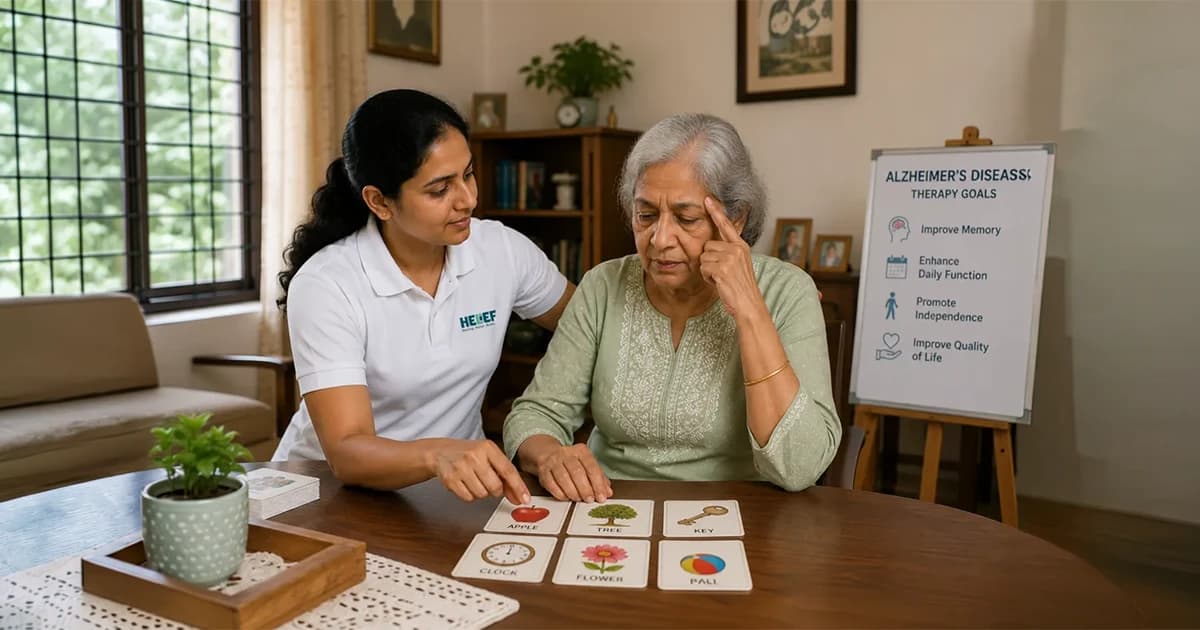
What Physiotherapy Can — and Can't — Do
Let's be clear on both sides, because false promises help no one.
Physiotherapy cannot slow or reverse the memory and thinking changes of dementia. What it can do is address the physical side of the condition, and the benefits are genuine:
- Maintain strength and mobility so the person stays active and independent for longer.
- Improve balance and reduce falls — the single biggest physical risk in dementia.
- Keep transfers possible — being able to get up from a chair or bed unaided is huge for both the person and the carer.
- Ease agitation and improve sleep and mood. Regular, guided movement tends to reduce restlessness and wandering, and helps people sleep better — a benefit families often notice before any other.
In other words, physiotherapy won't give someone their memory back, but it can keep them walking to the dinner table, standing at the window, and moving through their own home with confidence — and that is a great deal.
Why Home Is the Right Place for Dementia Care
For dementia in particular, where the care happens is almost as important as the care itself.
- Familiar surroundings keep the person calm. People with dementia are often confused, anxious, or resistant in unfamiliar places like a clinic. At home, surrounded by what they know, they're calmer and far more willing to take part — which means the physiotherapy actually gets done.
- No distressing journeys. Getting a person with dementia into a car and to an appointment can be exhausting and upsetting for everyone. Removing that removes a real barrier to consistent care.
- Fall prevention happens in the real environment. The falls happen on these rugs, this bathroom floor, these stairs. A physiotherapist working in the home can spot and fix the actual hazards, not hypothetical ones.
- The family and carers learn alongside. The people providing day-to-day care are in the room, learning the safe ways to help with walking and transfers, and the simple activities to keep up between visits.
We provide dementia physiotherapy at home across Bangalore, from Indiranagar and Koramangala to JP Nagar, Jayanagar, Whitefield and beyond.
What a Home Programme Actually Involves
Every plan begins with a gentle, unhurried assessment of mobility, balance, strength, and fall risk — carried out patiently, in the calm of home where the person is most comfortable and cooperative. The physiotherapist also looks at the home environment for the hazards that cause most falls, and sets realistic goals together with the family.
From there, the work is built around safe, structured movement, adapted to the person's cognitive stage and attention span — always paced, never rushed:
Balance and fall prevention
Targeted balance training combined with practical home-hazard advice — better lighting, removing loose rugs, clearing clutter, grab rails where they help — to reduce the falls that pose the biggest risk.
Strength and mobility maintenance
Gentle strengthening and regular walking practice to keep the body active, so the person stays independent for as long as possible.
Gait and transfer training
Practising safe walking and the everyday transfers — getting up from a chair, on and off the bed — that keep a person mobile and reduce the physical strain on carers.
Routine and carer coaching
Consistency matters enormously in dementia, so we coach family and carers on simple movement activities to weave into the daily routine — making everyday movement part of the care rather than a separate chore.
This is the heart of our dementia care at home approach: calm, patient, evidence-based physiotherapy that meets the person where they are.
When to Bring in a Physiotherapist
Sooner is better. It's tempting to wait until there's a problem, but by then strength and balance have often already slipped. Consider starting physiotherapy when:
- Walking or balance is starting to decline.
- There's been a fall, or falls are becoming more frequent.
- The person is becoming less active and visibly weaker.
- Transfers — getting up from a chair or bed — are getting harder.
And genuinely, at any stage — physiotherapy helps maintain mobility throughout the course of dementia, not just early on.
One important safety note: if you notice a sudden change — a marked drop in alertness, new confusion, one-sided weakness or facial droop, or a fall with a head injury — treat that as a medical emergency, not a physiotherapy matter, and seek medical care straight away.
A Word for Caregivers
If you're the one holding this together — helping with every walk to the bathroom, bracing every time they stand, lying awake worried about a fall — physiotherapy is for you too. It gives you concrete techniques instead of constant improvisation: how to help someone stand safely without hurting your own back, how to set up the home so a fall is less likely, how to keep a loved one moving without a battle. Caring for a person with dementia is relentless. Having a clear, practical plan for the physical side lightens at least one part of the load.
Frequently Asked Questions
Can physiotherapy help someone with dementia? Yes — but for the physical side, not the memory. Physiotherapy can't slow or reverse the cognitive changes of dementia. What it does do, with real benefit, is maintain strength, balance, and mobility, reduce the risk of falls, keep transfers possible, and often ease agitation and improve sleep and mood.
Isn't it too late for physiotherapy if the dementia is advanced? No. Physiotherapy helps at every stage of dementia — the goals simply change. Early on it's about maintaining strength and preventing decline; later it focuses on safe transfers, gentle movement, comfort, and reducing the strain of caregiving. It's rarely "too late" to help someone move more safely.
Why is home physiotherapy better than a clinic for dementia patients? People with dementia are usually calmer and more cooperative in familiar surroundings, so the therapy actually gets done. Home visits also avoid distressing journeys, let the physiotherapist fix the real fall hazards in the person's own space, and allow family and carers to learn the techniques alongside the patient.
How often are sessions needed? It depends on the stage and goals, but consistency matters more than intensity in dementia. Most programmes pair regular physiotherapist-led visits with simple daily movement built into the routine by family and carers. Your physiotherapist sets a realistic cadence at the first assessment and adapts it as things change.
Dementia takes a great deal, but steadiness on one's feet and the dignity of moving through your own home don't have to be surrendered early. The families who cope best are the ones who look after the body as deliberately as the mind. A free home assessment is a gentle first step: an honest look at mobility and fall risk, and a practical plan to keep your loved one safe and moving.