Knee Pain Physiotherapy at Home in Bangalore
Knee pain can make stairs, squatting, and even walking a worry. Our certified physiotherapists come to your home in Bangalore, identify exactly what's causing the pain, and treat it with hands-on care and a strengthening plan that gets you moving with confidence again.
- 5-Star Rated
- 100+ Happy Patients
- Certified Physiotherapists
Certified Physiotherapists
Verified & background-checked
Quick answer
Knee pain physiotherapy treats the cause of the pain — commonly osteoarthritis, kneecap tracking, or ligament and muscle issues — through hands-on therapy and progressive strengthening of the muscles that support the joint. Most people see meaningful improvement within 6–8 weeks, and structured physiotherapy often reduces pain enough to delay or avoid surgery.
Understanding it
What is knee pain?
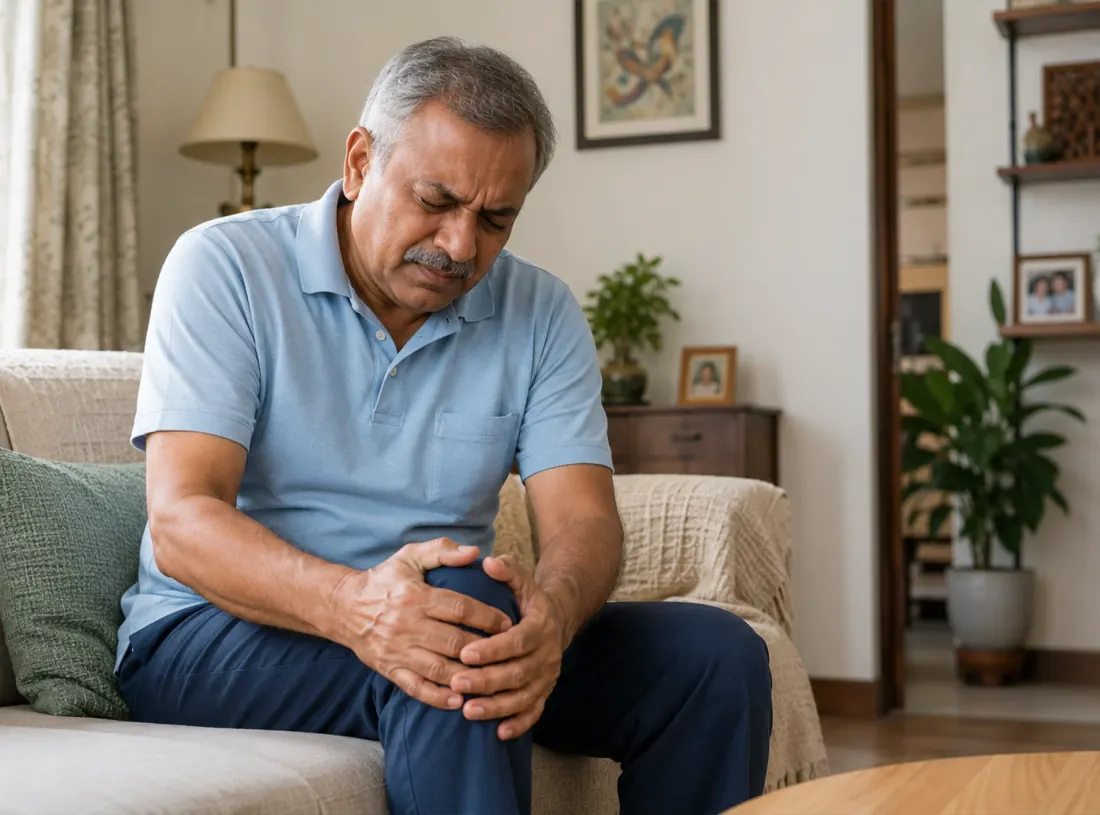
Knee pain is one of the most common orthopedic complaints, affecting everyone from active young adults to older people with joint wear. It can come from the joint surfaces (as in osteoarthritis), from how the kneecap moves, from the muscles and tendons around the knee, or from a ligament or cartilage injury.
Because the knee depends heavily on the strength and balance of the muscles around it, it responds especially well to physiotherapy. Rather than just managing pain, the goal is to reduce the load on the sore structures, rebuild supporting strength, and restore confident, pain-free movement — which for many people means avoiding or delaying surgery.
Common symptoms
- Pain around or behind the kneecap, especially on stairs or when squatting
- Stiffness after sitting for a while or first thing in the morning
- Swelling or a feeling of warmth around the joint
- Grinding, clicking, or a sense the knee might 'give way'
- Difficulty fully straightening or bending the knee
- Pain that worsens with walking, kneeling, or standing up from low chairs
Common causes
- Osteoarthritis and age-related wear of the joint surfaces
- Kneecap (patellofemoral) tracking problems and muscle imbalance
- Ligament or meniscus (cartilage) injuries
- Overuse from running, sport, or repeated squatting
- Weak thigh (quadriceps) and hip muscles that leave the knee unsupported
- Being overweight, which greatly increases load through the knee
Risk factors
What raises the likelihood
Don't wait it out
When to see a physiotherapist
If any of these sound familiar, an assessment is worth booking. Treating it early usually means a faster, fuller recovery.
Knee pain lasting more than a week or two without clear improvement
Pain that recurs with stairs, squatting, or exercise
Stiffness or swelling that limits walking or daily activities
A knee that feels unstable or occasionally gives way
Difficulty fully straightening or bending the joint
Seek medical care first
These signs need a doctor or emergency care — not physiotherapy. Please get urgent medical attention if you notice:
- Inability to bear weight on the leg after an injury
- A knee that locks or gets stuck and won't straighten
- Sudden severe swelling immediately after an injury
- Fever with a hot, red, swollen knee
Our approach
How Helief treats knee pain at home
Every plan starts with a proper assessment. Your physiotherapist examines how the knee moves, tests the strength of the muscles that support it, checks alignment and swelling, and identifies which structures are actually driving your pain — because 'knee pain' from arthritis needs a different plan from kneecap pain or a ligament issue.
From there, we combine hands-on treatment to ease pain and swelling with a progressive strengthening programme for the thigh, hip, and glute muscles that protect the joint. We also address the practical things — how you climb stairs, rise from chairs, and load the knee day to day — because those habits decide how well the knee holds up.
Treatment techniques
Evidence-based methods we use
Progressive quadriceps & hip strengthening
The cornerstone of knee recovery — building the muscles that offload and stabilise the joint.
Manual therapy & joint mobilisation
Hands-on techniques to ease stiffness, improve movement, and reduce pain around the knee and kneecap.
Swelling & pain management
Gentle techniques and, where useful, electrotherapy to settle swelling and pain so you can exercise comfortably.
Patellar (kneecap) tracking correction
Targeted work to correct how the kneecap moves, a common source of front-of-knee pain.
Balance & functional training
Retraining stairs, squatting, and standing up safely so the knee is protected in real life.
Load & activity guidance
Practical advice on pacing activity, footwear, and weight management to reduce load on the joint.
Recovery timeline
What progress typically looks like
Every recovery is individual — this is a general guide, not a guarantee. Your physiotherapist sets realistic milestones after the first assessment.
- 1Weeks 1–2
Calm pain & swelling
First we reduce pain and swelling and restore gentle, comfortable movement in the joint.
- 2Weeks 2–4
Restore movement & activate muscles
We improve range of motion and begin waking up and strengthening the muscles that support the knee.
- 3Weeks 4–8
Build supporting strength
Progressive strengthening of the thigh, hip, and glutes gives the knee the support it needs for stairs and walking.
- 4Beyond 8 weeks
Return to activity & maintain
We progress you back to the activities you value and set up a routine to keep the knee strong and comfortable.
Why at home
The advantage of treating knee pain at home
No painful stairs or commute to a clinic when your knee already hurts
Your physiotherapist sees how you actually manage stairs and chairs at home, and fixes them
One-on-one attention every session, which improves consistency and results
Exercises tailored to the space and support you have at home
Certified physiotherapists, clinical standards, delivered at home
Every knee pain treatment plan is delivered by a qualified, vetted physiotherapist following proper assessment and safety protocols — built around your goals and paced to your recovery.
Book Now
Start knee pain treatment at home
Share your details and we'll call you back to arrange a home visit across Bangalore. A certified physiotherapist assesses the cause before any treatment begins.
Locations we serve
Knee Pain physiotherapy across Bangalore
Our certified physiotherapists visit homes right across the city. Pick your area, or message us to check availability near you.
Not on the list? WhatsApp us — we cover much of Bangalore.
FAQ
Knee Pain — your questions
Related conditions
You may also be looking for
Arthritis
Manage joint pain and stiffness and stay active — treated at home.
Learn MoreBack Pain
Lasting relief from lower and upper back pain — treated at the root, at home.
Learn MoreHip Pain
Ease hip pain and stiffness and move with ease again — treated at home.
Learn MoreSciatica
Calm nerve pain running from the back into the leg — treated at home.
Learn MoreStart your recovery journey this week
Book a home visit and let a certified physiotherapist come to you — no travel, no waiting rooms.